
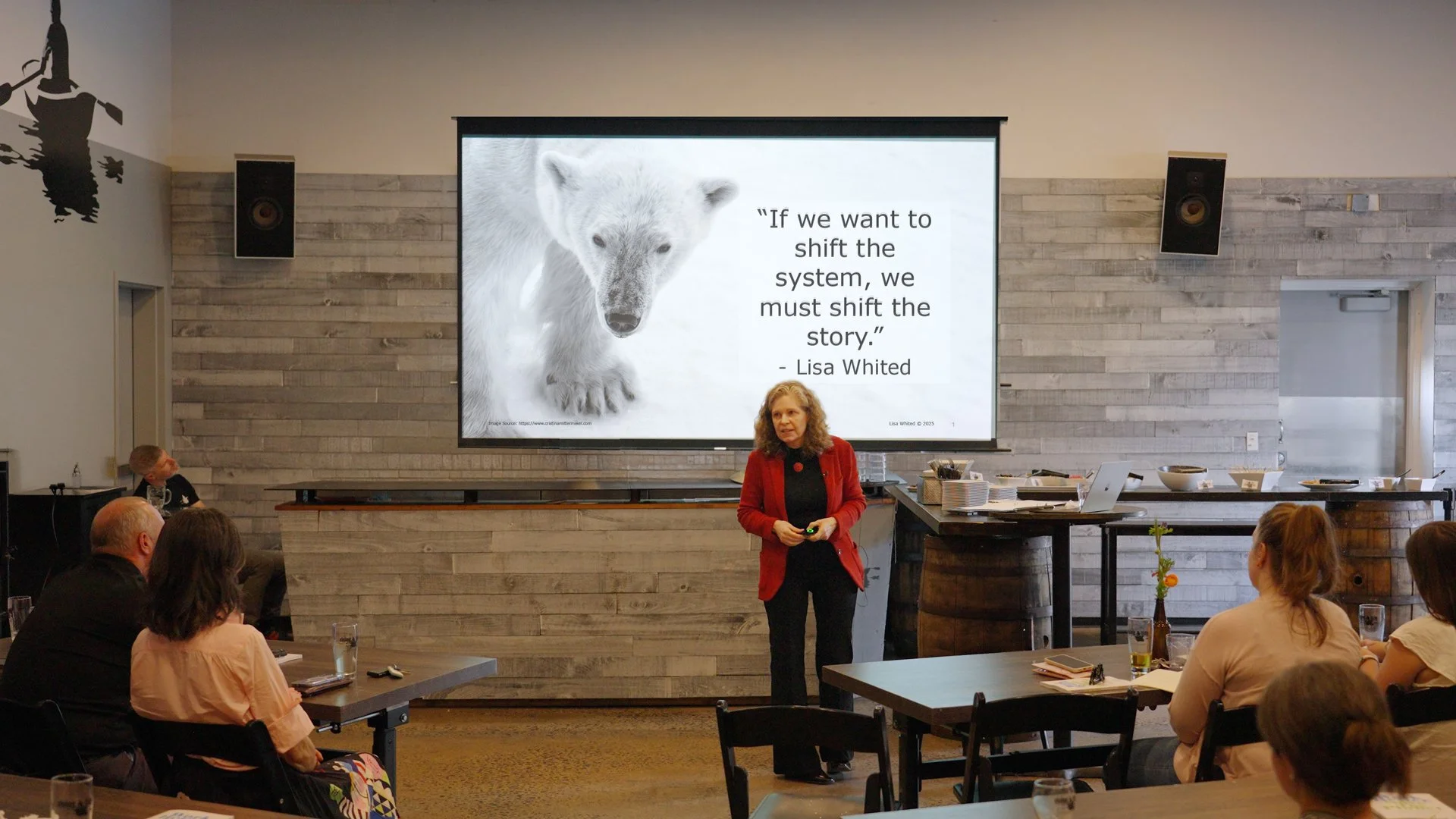
Lisa Whited has spent four decades designing participation - helping people, organizations, and communities figure out how to work, plan, and change together.
Lisa Whited has spent four decades designing participation - helping people, organizations, and communities figure out how to work, plan, and change together.
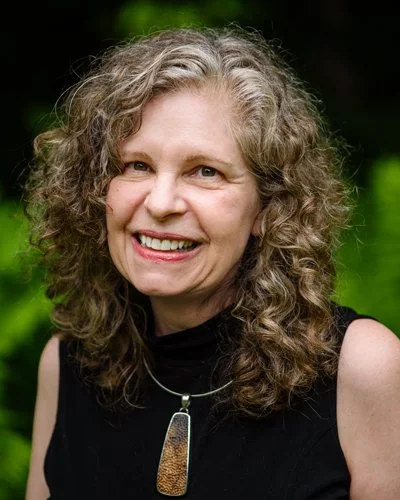
Photo by Melissa Mullen
Lisa Whited
Lisa Whited is a potato farmer’s granddaughter and an engineer’s daughter. The first shaped her work ethic; the second her instinct for solving stubborn problems - specifically the ones at the intersection of people, place, and the planet. She helps organizations, communities, and leaders navigate change through a simple but uncommon approach: designing participation so that the people most affected help shape the outcome. Her work is practical, grounded, and built on a conviction that has never wavered - that when people have a genuine voice in decisions that affect them, better things happen. For everyone.
Manifesto
In her book, Lisa writes that the entire industry is built on "more" - more real estate, more furniture, more construction - and everyone in that game makes money as a percentage of the more. Lisa's process follows the people and the data, not the square footage. Fair warning: the answer is sometimes less. Or none at all.
Case Studies

Woodard & Curran
Engineering and environmental firm, 1,300 employees, 27 U.S. locations
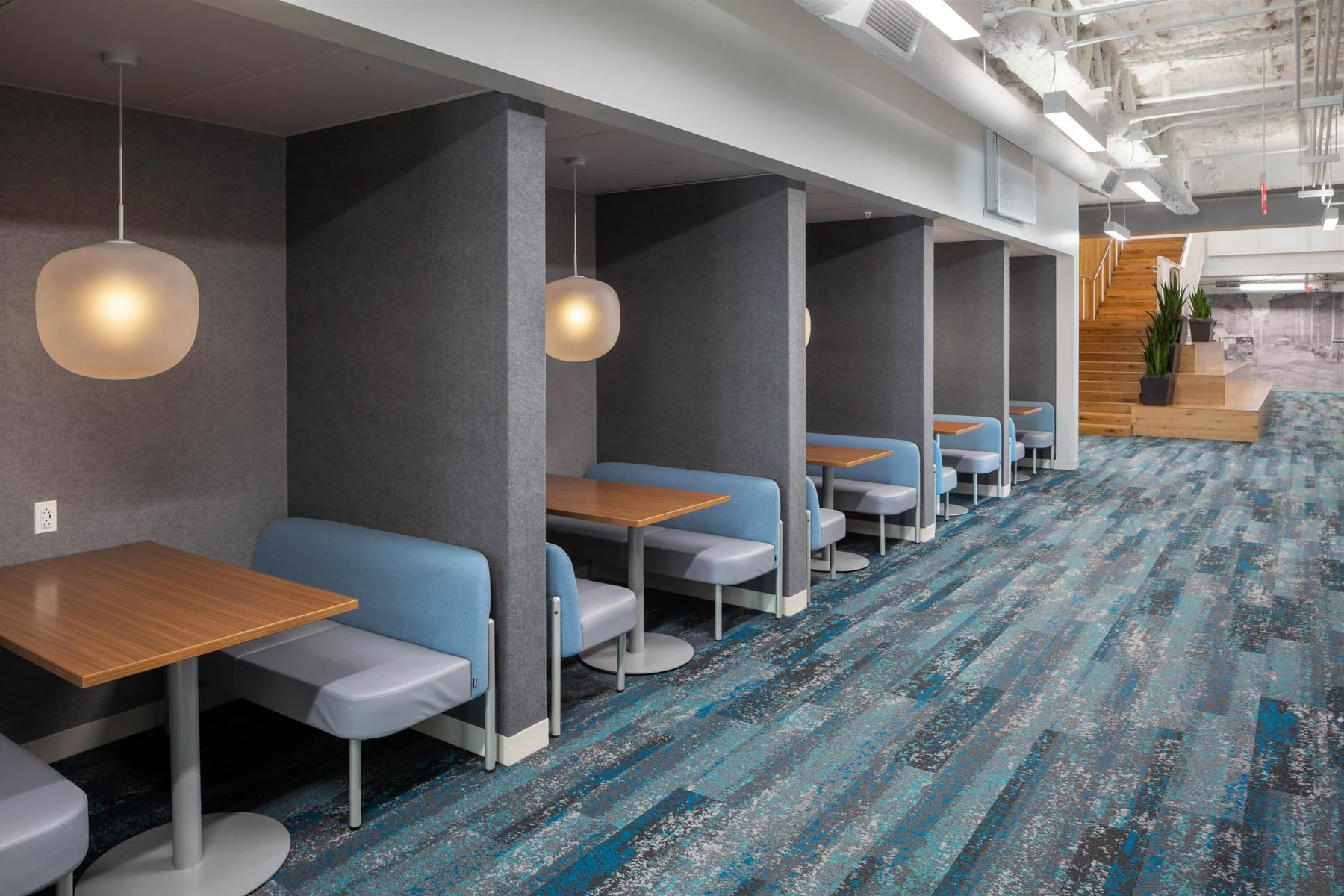
When W&C decided to relocate their Portland headquarters, their new CEO wanted more than a new office - she wanted a space that reflected the firm’s environmental values and included all voices in shaping it. Lisa led the change management and space program work, assembling an interdisciplinary team that included specialists in architecture, construction, IT, furniture, and circular economy practices. Her analysis recommended 28,000 square feet; W&C ultimately took 45,000, banking on significant growth ahead. Every square foot was designed with circularity in mind - demountable walls built for reconfiguration over a 20-year lease, most walls kept off the perimeter windows to allow for greater flexibility and the democratization of sunlight, and a cloud-first IT strategy that nearly eliminated on-site hardware. The project deepened Lisa’s own knowledge of circular economy practices and led directly to her certification as a circular economy specialist. It was published as a case study and presented at national conferences.
Every decision was made with one question in mind: where does this end up in 20 years?
Community Health Options
Health insurance organization, 160 employees, rural Maine
Community Health Options had 30,000 square feet of office space and a mission to improve individual and community health. Within two months of beginning her work - employee workshops, a leadership session, and a thorough space analysis - Lisa delivered a recommendation that surprised even the client: they needed less than 2,000 square feet. Not a typo. The staff themselves had pointed the way, consistently asking for flexibility, remote work, and more intentional ways of connecting rather than obligatory presence in a building. From there, Lisa helped them design a work-from-anywhere model grounded in results-based performance management, narrowed their space options, ran test fits across candidate locations, and guided them to their final choice - a 1,400 square foot space on a rural campus with hiking trails, an organic marketplace, and a café. All-employee retreats three to four times a year replaced daily commutes as the primary moment of connection. The engagement ran from June 2022 to February 2023. The result: hundreds of thousands of dollars saved annually, a dramatically reduced carbon footprint, and their highest-ever employee engagement scores.
The employees knew what they needed. Leadership had the courage to act on it. That's what a vision is for.
Confidential Public Utility Company
Major international energy utility, 20+ million customers, Northeastern United States
A large international energy utility needed to understand how two New England buildings were actually being used - and how to better support evolving work patterns as more employees returned to in-person work. Lisa was invited by a UK-based workplace strategy firm to lead the employee engagement process as part of a broader team. She facilitated virtual focus groups with more than 1,400 employees, surfacing consistent themes around productivity, meaningful collaboration, and the desire for more intentional in-person connection. The engagement combined utilization data, leadership interviews, and employee voice to produce a clear roadmap - including a team-based planning framework for intentional presence, simplified space language, and targeted recommendations for underutilized areas. Phase 2 focused on implementation, change management, and manager enablement.
At any scale, the process is the same: find out what people actually need, then build toward that.
What does it look like when it works?
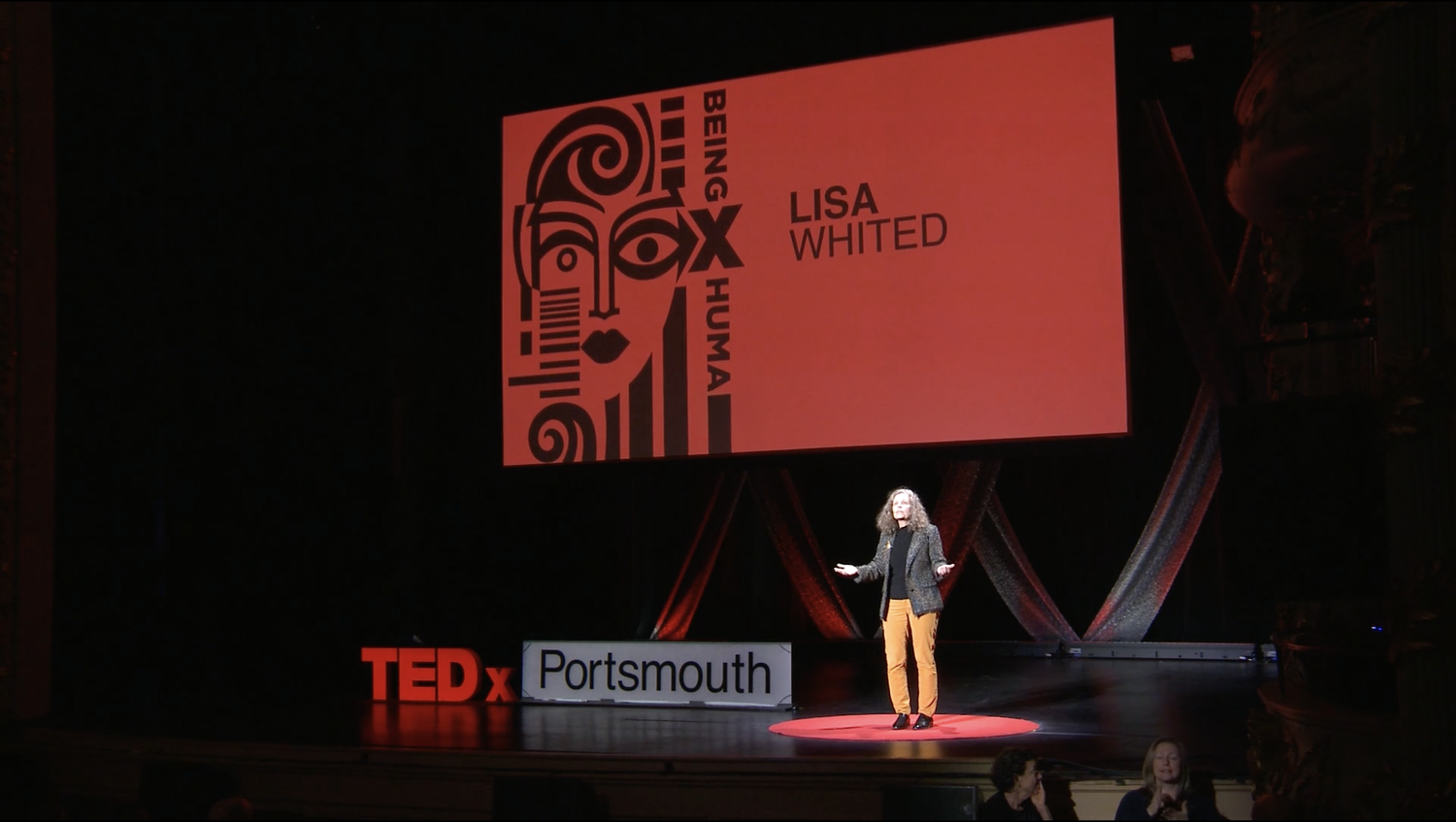
In her TEDx talk — How to Make Work Better for Employees (and the Bottom Line) — Lisa makes the case that most organizations are solving the wrong problem. The office was never really about productivity. It was about control. And the 87% of people worldwide who are disengaged at work are paying the price for that confusion. The talk draws on real client stories, research, and a framework for what actually drives engagement — and has reached more than 23,000 viewers organically, with no social media promotion.
Watch it, then ask yourself what your organization’s version of that story could be.
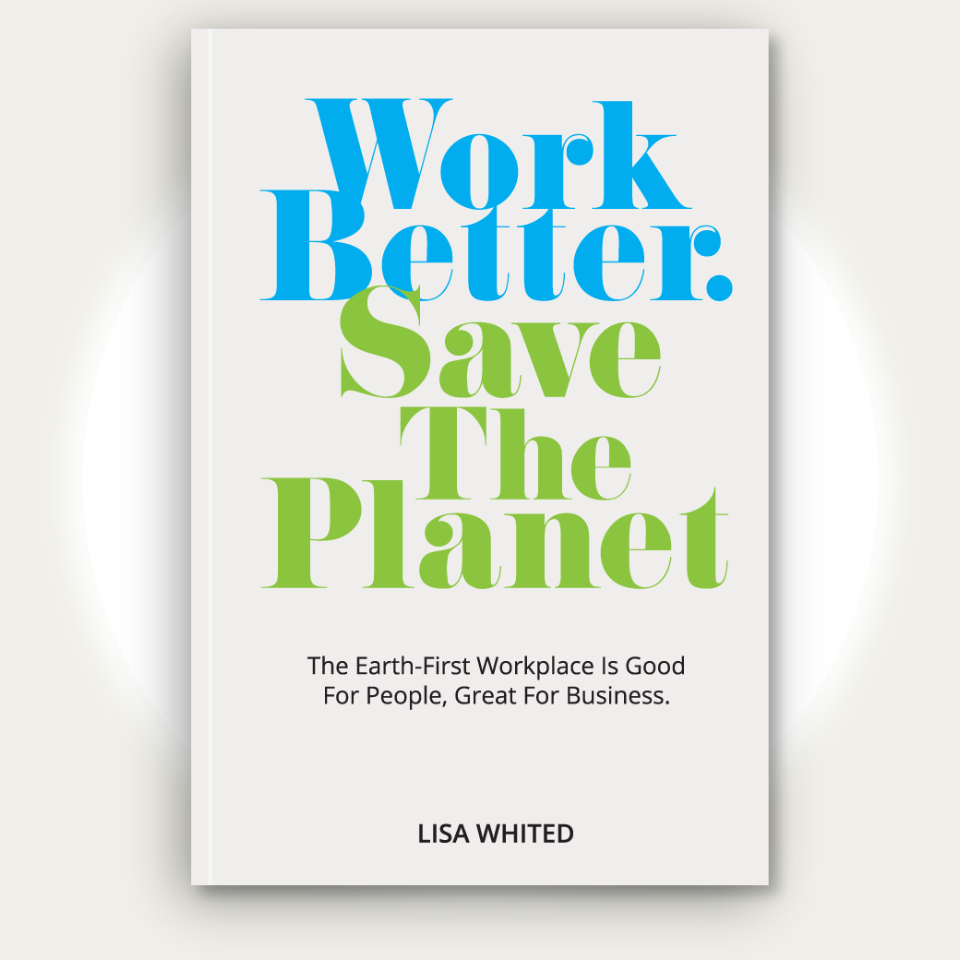
Work Better. Save the Planet
Most organizations treat employee engagement and environmental responsibility as separate problems. This book argues they’re the same problem - and offers a practical framework for solving both at once.
The PLLANET framework was developed for workplace transformation, but its seven tenets apply to any context where people need to make decisions together — organizational change, community planning, technology transitions, cultural shifts, restructuring. If you're a leader who suspects there's a better way to lead change — for your people, your bottom line, and the planet — this book was written for you.